
Why Susan Chapelle is Running for Council in Ward 14, Toronto-Danforth
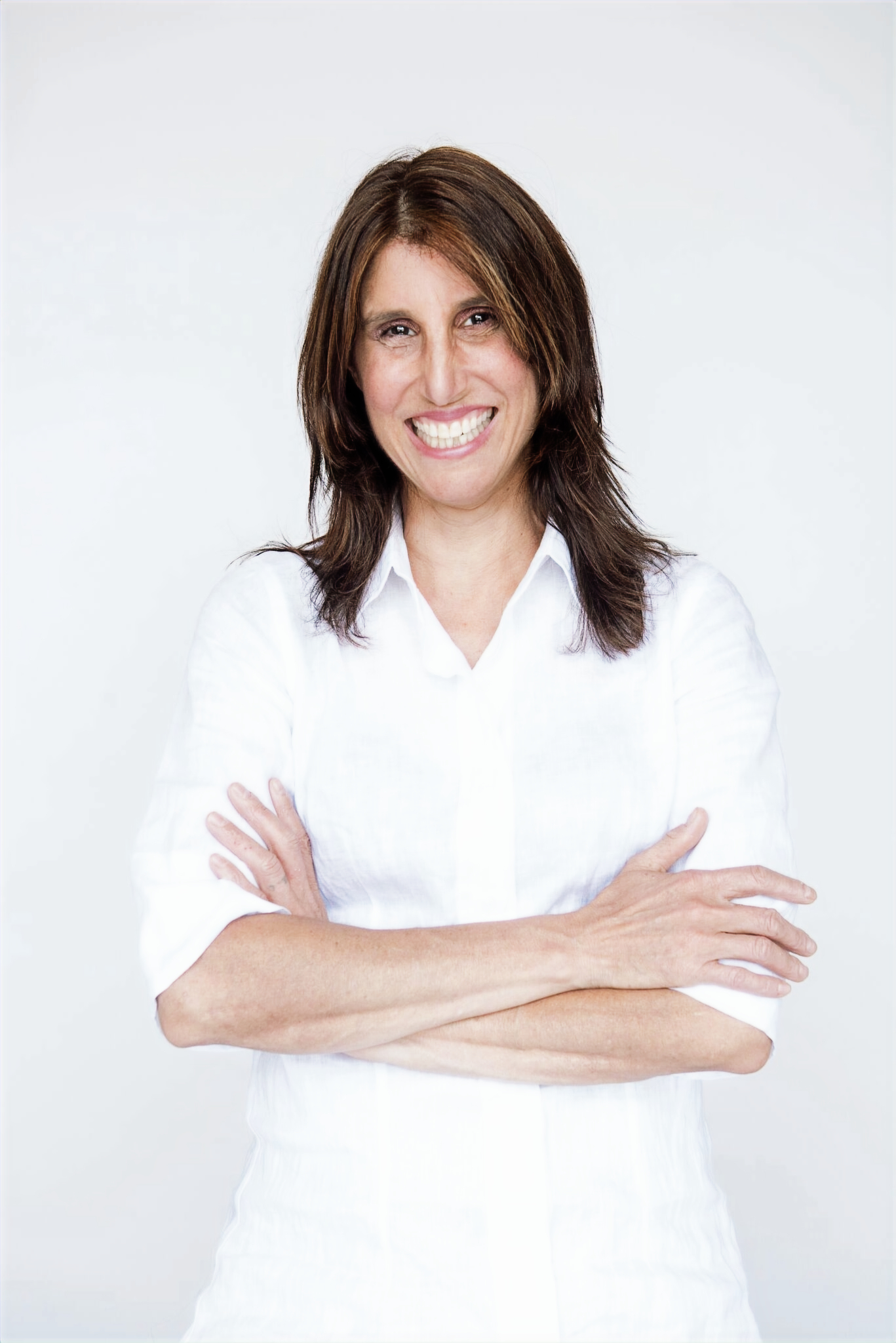

I grew up in Ward 14. My family is East End. My work is rooted here. I am running because I believe good government should make life easier, safer, cleaner, and more connected. Toronto-Danforth is changing, and we need practical, compassionate, evidence-informed leadership that understands both people and systems.
I am running for City Council in Ward 14, Toronto-Danforth because I grew up here. My family is East End. My parents still live in the ward. My clinic and my work are rooted here.
This ward is not an idea to me. It is home.
It is the streets I walked as a kid, the parks and main streets my family uses, the theatres and community spaces that shapes us, the apartments and small homes where people build lives, raise children and care for neighbours.
My family’s story is tied to Toronto Danforth.
Public service shaped my life from the beginning. My grandfather worked for the City of Toronto as an inspector. My grandmother was named Toronto’s Volunteer of the Year for her commitment to community and her work with seniors. My dad is an engineering physicist. My mom was a stage manager and actor in community theatre.
So yes, I am a bit of a mixture: infrastructure, science, public service, creativity, unions, healthcare, and community theatre.
That mix shaped how I see the world.
I also learned early that housing shapes a life. After living in Regent Park, I bought my first home at the age of 18 on Craven Road, one of Toronto’s most unusual streets. Before it was Craven Road, it was Erie Terrace, a narrow working-class street built for labourers and immigrant families. It's small homes, long fence, and unusual layout tell a very Toronto story: people making lives in compact spaces, in changing neighbourhoods, with the city growing around them.
That experience has never left me.
It is one reason I see housing, zoning, infrastructure and health as connected. Where people live shapes how they live. It affects stress, safety, access to services, commute times, relationships, health, and whether people feel like they belong.
My path has not been traditional, but it has always been about systems, people, and problem-solving.
I was the first female union rigger and audio technician in IATSE Local 58. That work taught me how much happens behind the scenes before anything functions well. It taught me logistics, safety, teamwork, infrastructure, and respect for the people who do the work. I learned how systems are built, how contracts shape workplaces, and why equity has to be built into the rules, not added as an afterthought.
It also helped me understand the importance of unions for workers.
Later, as a manual therapist, I wanted to understand why care worked. I did not want vague explanations or professional mythology. I wanted mechanisms. So I went into research. I studied pain, scars, adhesions, and prevention. I spoke internationally and published scientific papers. I learned how the body responds to injury, stress, inflammation, movement, and care.
That work changed how I think about healthcare and access to services.
Healthcare is not just what happens in a clinic.
Health is shaped by whether someone has stable housing. Whether they can walk safely to transit. Whether they can get to an appointment. Whether there is shade on their street. Whether seniors are isolated. Whether families can stay in their neighbourhood. Whether a main street has life. Whether zoning allows communities to adapt.
City-building is health policy.
Zoning is not separate from healthcare. Transit is not separate from economic opportunity. Parks are not separate from mental health. Housing is not separate from public safety. These systems touch people’s lives every day, and they need to be planned with that reality in mind.
I have done this work before.
I served two terms as a municipal councillor in Squamish, British Columbia, one of Canada’s rapidly growing communities. I later ran for mayor and learned a great deal from that campaign. Public service teaches you that no one gets everything right. You have to stay accountable, keep listening, and keep doing the work.
As a councillor, I worked on transportation, housing, health, community economic development and public services. I helped improve transit in a growing community that needed better access and better planning. I also advocated for access to local forensic testing for survivors of sexual assault, because no one should have to leave their community to receive urgent, culturally appropriate, trauma-informed care.
Those issues may sound different, but they are connected by the same principle: public systems should work for people when people need them.
These are the realities that have driven my life and my work.
I am a science and policy person. I am data-driven, systems-minded, and sometimes I can be “too complicated.” I see connections between things that are often treated as separate.
Beneath all of my complexity lies something very simple. My ideas and principles are connected to people's well-being.
I want people’s lives to work better.
That means reliable transit, clean parks, safe streets, public washrooms, accessible community spaces, dependable waste collection and city services that are easy to use when people need them.
As Toronto-Danforth grows, we have to plan for the basics that make daily life possible: reliable energy, sewer and stormwater capacity, waste systems that work, and infrastructure that can handle extreme weather and increased density.
I will advocate for practical investment in essential public services, neighbourhood energy planning, better waste accountability, and transparent service standards so residents can see what the City is doing and whether it is working.
Good government should make life easier, safer, cleaner and more connected.
That is what community means to me. Not just a word on a sign. Not just a slogan. Community is what happens when seniors can get around safely, kids have clean parks and public washrooms, small businesses can survive construction and change, renters and homeowners both feel heard, and people can access services without needing to know how City Hall works.
I also want to recognize Councillor Paula Fletcher’s 23 years of service to Toronto-Danforth. Public service takes stamina, commitment, and a deep love of community. Councillor Fletcher has served this ward through decades of change, and I want to thank her for that work.
After 23 years, it's time for fresh ideas.
As this community looks towards its next chapter, I believe we need to build on what has been done while bringing fresh energy, practical focus and a strong commitment to the public services people rely on every day.
Toronto-Danforth is changing. That change brings opportunity, but it also brings pressure. People are worried about affordability, safety, congestion, services, and whether their neighbourhoods will still feel like home.
I believe we can meet this moment with practical, compassionate, evidence-informed leadership.
Leadership that understands people and systems. Leadership that respects the work that has come before, while being honest about what still needs to change. Leadership that brings together residents, small businesses, community organizations, public health, planners, workers, builders, and all levels of government to get things done.
I am running because I love this city.
I love its complexity. I love its neighbourhoods. I love its stubbornness, creativity, and possibility. I believe Toronto can be more caring, more practical, more beautiful, more affordable, and more human.
This is the public service mandate that I believe in.
Susan Chapelle | Ward 14 Toronto-Danforth City Council Candidate.


Comments